There are many alternatives to TikTok that your student may be using to watch, create, and share short-form videos online.
“Dusting” is a dangerous trend where teens inhale compressed air to get high, putting them at risk for brain damage, heart failure, or death.
The NyQuil Chicken Challenge challenges people to cook chicken in the popular cold medicine, Nyquil.
The Devious Licks or Bathroom Vandalism Challenge on TikTok encourages students to cause destruction in their school’s restroom. Learn about this challenge.
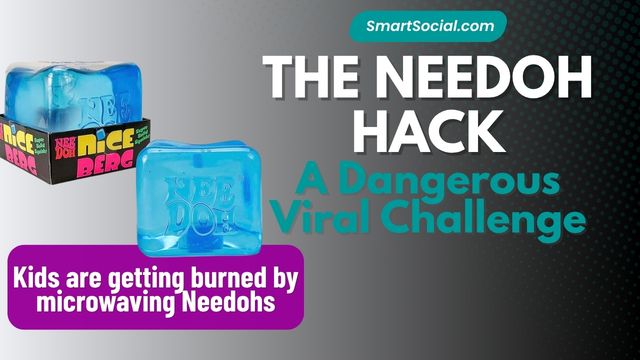
Learn what the viral TikTok “NeeDoh hack” is, why microwaving NeeDoh toys can cause serious burns, and what parents can say and do to keep kids safe.
Learn why the TikTok Blackout Challenge is dangerous and how parents can help teens recognize and avoid risky viral challenges.
The Tranquilizer Challenge requires students to take a controlled medication and try to stay awake as long as possible and video record the effects.
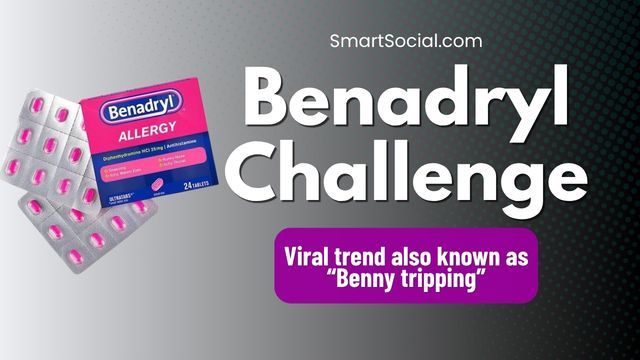
The TikTok Benadryl Challenge encourages users to take excessive amounts of medication to hallucinate and post it on social media.
Learn how TikTok, Instagram, and YouTube are shaping teens’ health decisions, why repeated content can feel trustworthy even when it’s not.
Learn how the viral Cat in the Hat trend is affecting schools, why students can face serious consequences, and what parents can do.
Learn the risks teens may face on TikTok, from endless scrolling and bullying to harmful content, privacy concerns, and risky trends.
Learn the pros and cons of TikTok, why teens want to use TikTok, and how to keep your kids safe.
Learn what makes teen TikTok accounts vulnerable, why harmful content reaches some teens, and five safety tips parents can use.
VIP (Very Informed Parents) learn the dangers inside of TikTok, Snapchat, Instagram, Fortnite, Minecraft, Roblox, and more.
The Triller app is a short-form video social media app similar to TikTok that allows users to create, edit, and view short music videos.
The Zynn app is a TikTok copycat app that pays people to watch videos and refer friends. This Zynn app guide explainsprivacy, data, and safety concerns.
Hear directly from teen girls about how Instagram, Snapchat, and TikTok shaped their focus, self-image, sleep, and stress.
Learn what the TikTok “Behind the Door” challenge involves, why it raises safety concerns, and what parents should know about the trend.
Learn how Lemon8 works, what content teens may encounter, and what parents should know about the TikTok creator’s lifestyle-focused app.
TikTok, Reels, and YouTube Shorts keep teens hooked. Learn the risks of excessive video app use and strategies parents can use to set healthy limits.
The Kia Boys challenge involves stealing cars, reckless driving, and major consequences. Learn more about this challenge and tips to talk to your students.
Learn how TikTok and YouTube feeds can quickly shift toward mature or harmful content and what parents should know about their teen’s algorithm.
Chroming, a dangerous TikTok trend, has kids inhaling toxic fumes from aerosol or paint cans to achieve a high without consuming hard drugs.
Learn why TikTok’s red silhouette filter may reveal more than users expect and what parents should know about the privacy risks.
Learn how CapCut works, the privacy and safety concerns parents should know, and which settings can help students use the video editor more safely.
Zigazoo is a “TikTok Alternative” app designed for kids with videos created by and for kids featuring dances, lip syncing, beauty products, and more.
Discover 54+ live events on digital citizenship, covering TikTok, Snapchat, Instagram, Fortnite, Netflix, YouTube & more. Join our Smart Social community for expert insights & tips
Learn how teens use Snapchat, Instagram, and TikTok to meet and date, the risks of Snap Map and Find Friends, and steps parents can take.
The TikTok Superman Challenge is a social media challenge that looks like harmless fun but participating in this dangerous challenge poses risks that parents should be aware of.
Learn about the viral Door Kick Challenge, what it is, why it’s dangerous, and what parents can do to protect their kids.
The Bad Word Bathroom Challenge encourages parents to record their children as they freely express themselves using inappropriate language in the bathroom. Some view this challenge as a positive way for their children to vent in a safe space, but there are concerns to be considered.
Learn what the RedNote app is, how it works, and the potential benefits and risks it poses for your child.
In the No Budge Walk Challenge users record themselves walking through a busy area in the opposite direction from others. Learn more about challenges.
The Skullbreaker Challenge or Trip Jump Challenge is landing some students in the hospital. Learn about the dangers of this challenge.
Take this crash course to learn how to navigate social media and how to help students stay safe online with hidden app settings.
The Byte app lets users make and share short video loops. Learn how to talk to students about staying safe online.
The Randonautica sends players to random locations. Learn about the safety concerns of this app.
Learn why students are joining the viral Chromebook Challenge, the risks of destroying school devices, and how parents and educators can respond.
Musical.ly lets users make lip-syncing videos to their favorite songs. This guide will bring you up to speed on how to talk to students about this app.
Social media seems to change every day and it can be tough for parents to keep up. Here are some pros and cons to the top monitoring apps on the market.
The viral "chicken jockey" trend inspired by the Minecraft Movie, why it's causing a stir in theaters, and what parents need to know about its real-world impact and social media risks.
The Fire Challenge is a social media dare where kids set flammable liquids on fire on themselves. It has sent children to the hospital with serious burns.
This course will help SROs and LEOs learn about how the most popular social media apps and sites work.
Understand the realities of what can happen online and how to safeguard your children.
Learn about cyberbullying and social media dangers and tips to talk with your students.
The Orbeez challenge shoots frozen Orbeez pellets with toy guns and shares the videos on social media. Learn how to talk to students about challenges.
MomTalk is a video podcast with moms from the SmartSocial.com team sharing their latest research on how to keep students safe on social media.
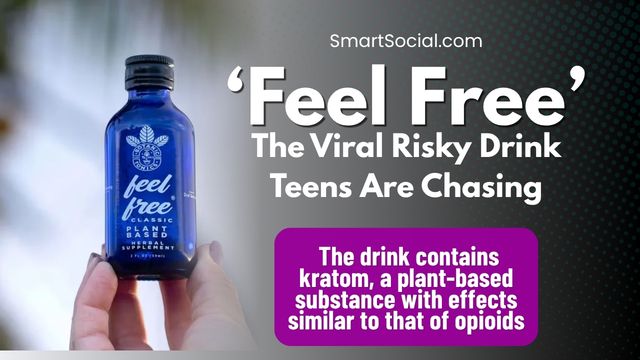
“Feel Free” is a popular drink containing kratom, marketed as a natural mood booster but linked to serious health risks.
By fostering opening communication with your kids about online safety, you can help protect them online and on social media. Learn from 3 digital safety experts who offers their best tips and tools for keeping kids and teens safe on social media and online.
Learn how to optimize parental controls to keep kids safe online while respecting their privacy, and get tips for balancing safety and trust in your family’s digital life.
VIP members have access to Smart Social events live with Josh Ochs. Register here!
This guide will help parents, students, and educators understand the pros and cons of going “viral” on social media with these challenges.
Several social media apps have announced plans to promote mental health initiatives, aimed at helping kids to stay mentally safe online. Some educators and mental health experts weigh in.
Our digital citizenship programs Keep Students Safe So They Can Shine Online. We teach parents and educators how to navigate social media with their students.
Middle & high school students can share their voices, earn $25 gift cards, and build resumes through SmartSocial’s monthly internship program.
Most Milk Crate Challenge videos end in failure with the person falling and seriously injuring themselves. Learn how to talk to students about challenges.
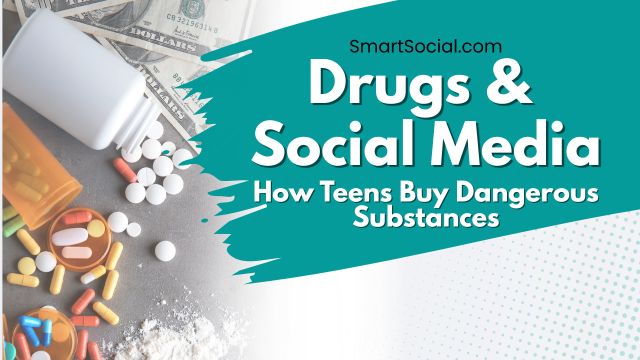
Drug dealers are using social media to reach teens. Learn the red flags, coded language, and safety tips every parent should know.
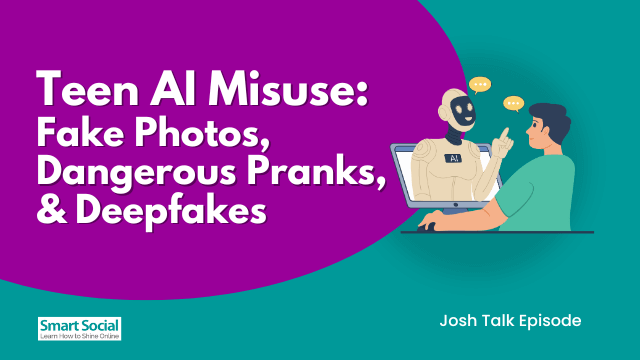
AI pranks and deepfakes can fool families. Learn how to set boundaries, use a family safe word, spot manipulated media, and coach teens to think critically.