
Negative Impact of TikTok on Teens
Why Parents Should Know the Other Side of TikTok
- TikTok’s endless scroll can make it easy for kids to spend more time on the app than they intended
- Bullying and public comments can quickly turn a fun video into a difficult experience for a student
- Trends, challenges, and the pressure to get likes and followers can encourage kids to make risky choices
- Strangers can interact with young users, making privacy and online safety especially important
- The content kids see can influence their thoughts, feelings, and behavior, so parents should understand what TikTok is recommending to their child
TikTok Made Studying Harder
What Your Child Could Encounter on TikTok

The Impact Behind the Endless Scroll
Addiction: Since the app boasts an “endless stream” of material, students are likely to spend a long time in the app and might even become addicted to watching the short videos for hours at a time
Bullying: A high school principal in New York tells SmartSocial Founder Josh Ochs that students are being bullied on TikTok. Some students are making fun of each other's videos, while others are making videos just to ridicule their fellow students
Comparison: Some students make outrageous and dangerous videos to get more likes and followers. Social media challenges can be an easy way to gain likes, but some of the challenges are not appropriate for tweens and teens and can potentially encourage teens to break the law
Safety Concerns: Apps like TikTok can easily be used by predators to solicit minors because the app makes it easy for strangers to direct message children. "There are no restrictions as to who can join the app and it is used internationally, connecting virtually everyone," explained Digital Family Expert Theresa Desuyo, at the parental control software company Qustodio
Mental Health: Some experts report it can be easy to come across triggering content on the app that could promote issues like self-harm or eating disorders. The Center for Countering Digital Hate found that when they created new accounts with the age set to 13 years old, TikTok recommended “harmful” content, “sometimes as rapidly as every 27 to 39 seconds.” This included self-harm and eating disorder content (Source: GMA)
Turn TikTok Concerns Into Action
- SmartSocial recommends parents create their own TikTok account and try it for themselves before allowing kids to download the app
- Ask your student to show you the app, and videos that they have enjoyed, and then watch positive content together as a family
- Talk as a family about setting screen time limits and use your device's settings (or the app's settings) to help regulate the time each person spends on TikTok
Settings Parents Shouldn’t Overlook on TikTok
How to set daily limits on TikTok
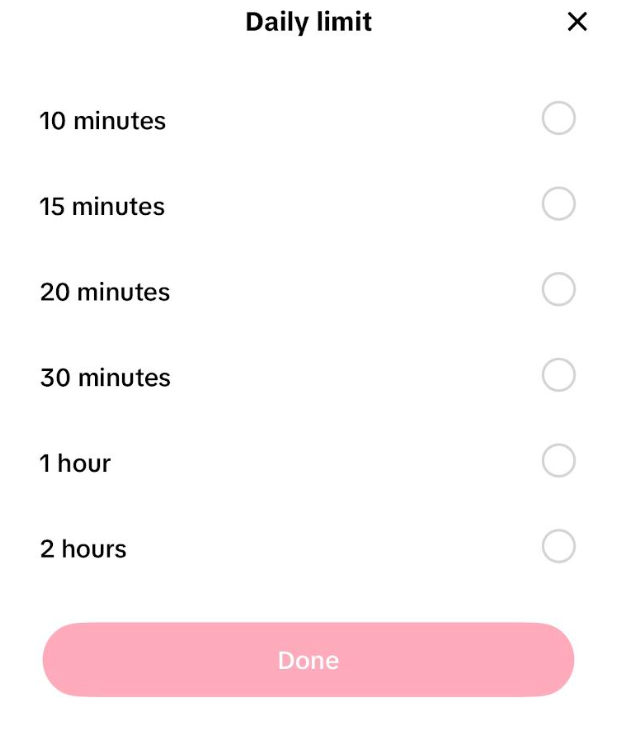
- Click on your profile image and then the three lines in the upper right-hand corner of the screen on the TikTok app
- Click “Settings and Privacy” then select "Time and Well-being"
- Click “Screen time”
- Click “daily screen time” and select the time frame you want for daily app use
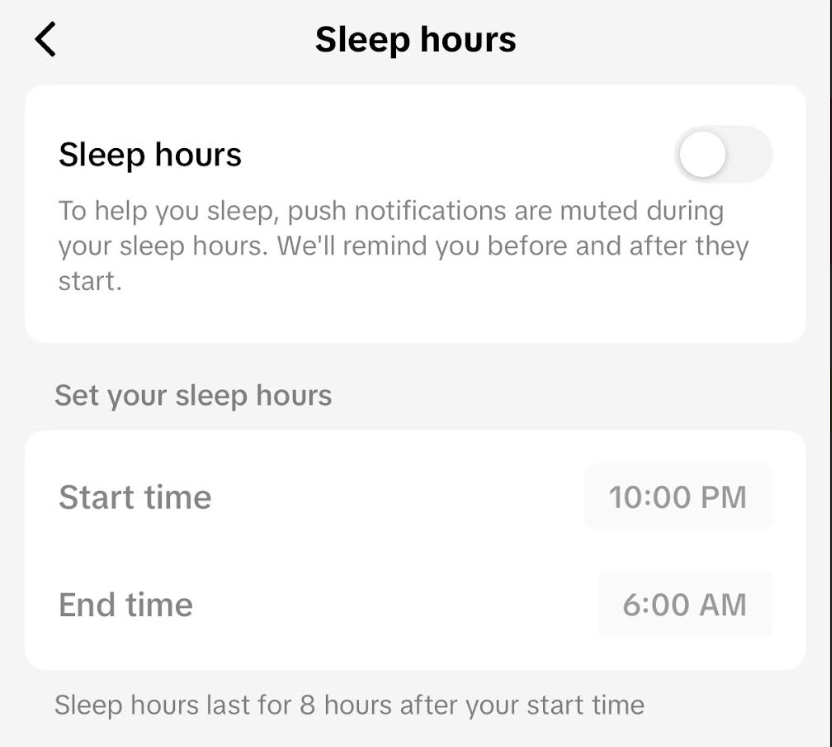
How to turn on sleep mode on TikTok
- Click on your profile image and then the three lines in the upper right-hand corner of the screen on the TikTok app
- Click “Settings and Privacy,” then select “Time and Well-being”
- Click on "Daily Screen Time" and scroll to "sleep hours"
- Set the times you wish for notifications to be turned off from your home screen
Why TikTok Is Making Headlines
Social media giants made decisions which allowed more harmful content on people's feeds, after internal research into their algorithms showed how outrage fuelled engagement- BBC

The research shows it’s not screen time—it’s addictive use. But it is not just the amount of time online; it is what is filling that time that makes it more concerning. -WorldHealth.net
Additional Resources
YouTube Kids Guide for Parents
TikTok App Guide: What Parents, Educators, and Students Need to Know
Conclusion
TikTok can be a fun and creative way for students to share talents, discover interests, and connect with others. However, students may also encounter explicit language, suggestive content, risky trends, and an endless stream of videos that can make it difficult to stop scrolling.
SmartSocial recommends creating a Family Media Agreement, talking openly about TikTok use, and using TikTok’s screen time settings and your device’s parental controls to help students build balanced social media habits.
You're not logged in!
Log in or join to protect your family and enter for a chance to win cool prizes
Become a member or log in to learn more on this topic

This is great info, thanks for giving me some ideas on how to start a dialogue with my teen!

Sharon M.
Parent VIP Member
Josh's presentation about social media was unbelievably fantastic. Our students learned so much about what kids should and shouldn't be doing. The fact that it is such a thoughtful process made it all worthwhile.
Director of College Advising
Educator Webinar Attendee
This webinar is a very helpful eye-opener on the apps that are popular with my students.
Irene C.
Educator Webinar Attendee
You're not logged in!
Log in or join to protect your family and enter for a chance to win cool prizes

., start learning from this page to enter for a chance to win one of our 28+ prizes each week.
Hello, I'm Josh, the founder of SmartSocial.com.
Don't leave this page until you fill out our feedback form that will appear after you learn from the resources...