

Violent Video Games (2026): What Parents, Educators, & Students Need to Know
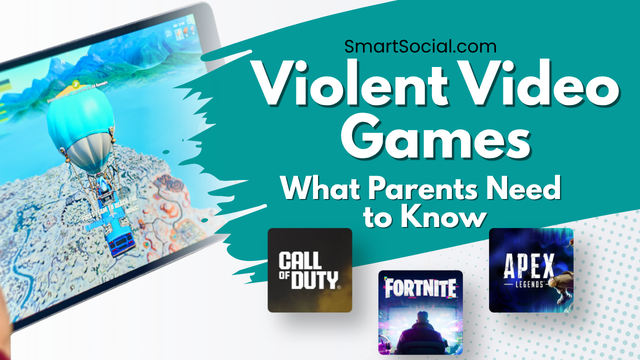
How Violent Games May Influence Students Beyond the Screen
- Students may be drawn to violent games because of the excitement, competition, rewards, social connections, and sense of achievement these games can provide
- Frequent exposure to violent content may be associated with changes in aggressive thoughts, feelings, or behaviors, although research does not establish that violent games directly cause real-world violence
- Gaming can become a problem when it starts interfering with sleep, schoolwork, responsibilities, relationships, or other activities, making it important for parents to recognize warning signs
- Online multiplayer games can connect students with people they do not know, creating opportunities for inappropriate conversations, harassment, bullying, or unwanted contact from other players
- Parents can help students develop healthier gaming habits by understanding the games they play, reviewing ratings and settings, setting reasonable boundaries, and keeping conversations about online experiences open
5 Ways to Make Online Gaming Safer for Your Family
The Psychology Behind the Appeal of Violent Games
Why Video Games Have Such a Strong Pull
- A sense of achievement: Completing challenges, earning rewards, and leveling up can give students a satisfying feeling of progress
- An escape from everyday life: Gaming can provide a break from school, stress, or daily responsibilities while offering an immersive world to explore
- Opportunities to connect: Multiplayer games give students ways to communicate, cooperate, and spend time with friends
- Competition and challenge: Rankings, leaderboards, matches, and difficult challenges can appeal to students who enjoy testing their skills
- Freedom to make choices: Many games allow players to control characters, choose strategies, and make decisions that shape their experience
- Constant rewards and new content: Unlockable items, new challenges, achievements, and personalized experiences can encourage students to keep playing
- A chance to build skills: Problem-solving, strategy, teamwork, and mastering difficult tasks can give students a feeling of accomplishment
- Excitement and intensity: Fast-paced action, conflict, and competition can make violent video games particularly exciting for some students without meaning they want violence in real life
Video Games Can Have Real-World Risks
- Repeated exposure to violence in video games may make violent content feel more common or less shocking to some students
- Research from the American Psychological Association has shown links between violent game exposure and short term increases in aggressive thoughts, feelings, or behaviors
- Frequent exposure to simulated violence may reduce emotional reactions to violent content for some players
- Online multiplayer games can expose students to profanity, bullying, harassment, inappropriate conversations, or interactions with people they do not know
- Long gaming sessions, especially late at night, can interfere with healthy sleep routines
- Gaming can take time away from homework, physical activity, family time, hobbies, and other responsibilities
- Some games rated for older audiences include graphic violence, strong language, sexual content, or other themes that may not be appropriate for every student
Gaming addiction signs & tips
Signs of video game addiction
- Spending more time gaming than intended or having difficulty stopping
- Becoming upset, frustrated, or irritable when it is time to stop playing
- Losing interest in hobbies, activities, or time with family and friends because of gaming
- Gaming begins to interfere with schoolwork, responsibilities, sleep, or daily routines
- Continuing to play even when gaming is causing problems at home or school
- Thinking about gaming frequently when doing other activities
- Hiding or minimizing how much time is spent playing
- Using gaming as the primary way to cope with stress, boredom, or difficult emotions
Tips for Healthy Gaming Habits
- Set clear gaming times that still leave room for sleep, schoolwork, physical activity, and family time
- Keep gaming devices in shared spaces when possible, especially for younger students
- Establish screen free times, such as during meals and before bedtime
- Encourage students to take regular breaks during longer gaming sessions
- Talk about the games your student enjoys and understand what makes them appealing
- Use parental controls and device settings to help manage age appropriate content, purchases, communication, and playtime
- Watch for changes in sleep, school performance, friendships, mood, or daily responsibilities
- Focus on balance rather than making gaming completely off limits, unless a particular game or situation presents a safety concern
Violent Gaming: What’s Making Headlines?
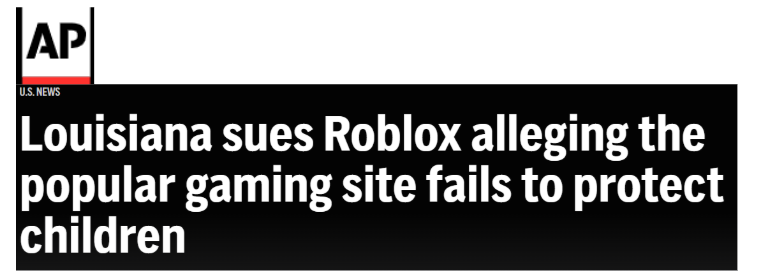
Roblox is overrun with harmful content and child predators because it prioritizes user growth, revenue, and profits over child safety. - AP News

Because there is no consensus yet on the matter of violent video games and teen mental health, the best tactic for parents to take is simple vigilance. Be aware of behavioral and attitudinal changes observed in your teens. - BNI Treatment Centers
Steps Parents Can Take for Safer Gaming

- Read and follow the ESRB ratings for games
- Remind your student that people online may not always be who they claim to be
- Teach your student to block and report players who make them uncomfortable, threaten them, or send inappropriate messages
- Play the game with your student when possible so you can better understand the content, communication features, and overall experience
- Review privacy, chat, messaging, and voice communication settings together
- Encourage your student to avoid sharing personal information such as their full name, school, location, phone number, or other identifying details with other players
- Pay attention to changes in your student’s mood, behavior, sleep, friendships, or school performance
- Keep gaming devices in shared areas of the home when appropriate, especially for younger students
- Create a family media agreement that sets expectations for game choices, online communication, screen time, and what to do when something uncomfortable happens
Key terms/slang about video games

- Arena mode - A game mode where players compete in a contained area or map, often using combat abilities or other skills
- Assault mode - A game mode where one team attacks or captures designated areas while another team defends them
- Avatar - the player’s character in the game world
- Battle Pass - an in-game, tiered reward system to give players extra items by playing the game and completing challenges. There are usually both free and paid options
- Battle Royale - a game mode where individual players or teams compete on a shrinking play area until one player or team remains
- BM - Bad Manners - conduct that is disrespectful or unsportsmanlike
- Boss - a powerful computer-controlled enemy that is typically more difficult to defeat than other enemies, often appearing at the end of a level or section
- Campaign mode (Story mode) - a game mode that follows a structured story or series of missions; some games allow player choices to affect the storyline
- Challenge mode - a game mode focused on completing specific challenges, objectives, or restrictions that may differ from the main game
- Cooperative gameplay (co-op) - players work together as a team to face computer-operated challenges
- CPU - a computer-operated player
- Cranking 90’s - a Fortnite term that refers to building a tower full of 90 degree turn
- Cross-platform play - the ability for players using different gaming platforms or systems to play togethe

- Deathmatch - a multiplayer game mode where players compete to earn points by eliminating opponents, often within a set time
- ESports (Electronic Sports) - organized competitive video gaming in which players or teams compete against one another, sometimes professionally
- Expansion Pack - a free or paid add-on to a game that usually offers new characters, worlds, weapons, etc to an already existing game
- FPS - First Person Shooter - a game mode where the player experiences play from the view of their character, often down the scope of their weapon
- F2P or FtP - games that are Free To Play
- Game Launcher - an application used to access, manage, and launch games on a computer (example: Battle.net, Steam, or Epic Games Store)
- Health - a measurement of how much damage a character can withstand before being defeated
- IAP - In App Purchase
- Kill-death Ratio (K/D ratio) - the number of times that you killed an opponent vs the number of times they killed you
- Loot box - a virtual item or container that provides randomized rewards. Some loot boxes can be purchased with real money, while others can be earned through gameplay
- MOBA - Multiplayer Online Battle Arena - teams of players have to defend their home base from enemies
- Microtransaction - in-game purchases where players can purchase virtual goods
- Mod - third part addition or change to a game
- NPC - Non-player Character - a character that is controlled by the computer (also, CPU)
- PC - Player Character - the character in the game that is controlled by the player
- PvE - Player vs Environment- gameplay where players compete or cooperate against computer-controlled enemies or challenges
- PvP - Player vs Player- gameplay where players compete directly against other players
- PUG - Pick-up Group - a group of players that spontaneously join together to beat a common goal and then disband after completion
- RPG - Role Playing Game- a genre where players control characters and typically develop their abilities, equipment, or story through gameplay
- RTS - Real Time Strategy- a strategy game genre where players make decisions and manage resources or units in real time
- Sandbox - a game where there is no true objective or goal, players have the ability to create, modify, or destroy their environment
- Skin - a cosmetic item that changes the appearance of a character, weapon, or other in-game item without necessarily changing its abilities or performance
Conclusion
Video games can be a fun way for students to connect with friends, build skills, and explore new worlds, but some games also introduce mature or violent content. Understanding common gaming terms, game modes, and online features can help parents better understand what their students are experiencing and have more informed conversations about healthy and safe gaming habits.
Additional Resources
You're not logged in!
Log in or join to protect your family and enter for a chance to win cool prizes
Join our next live online workshop events to keep your family safe and be entered for a chance to win an Amazon Kindle, Bluetooth speaker or 3d printer each week!
学区:申请合作伙伴关系 在这个页面上 为您的整个社区解锁我们的资源。
成为会员或登录以了解有关此主题的更多信息
主管、董事和校长:申请合作伙伴关系 在这个页面上 为您的整个社区解锁我们的资源。

这是很好的信息,感谢你给我一些关于如何与我的孩子开始对话的想法!

沙龙 M.
家长 VIP 会员
乔希关于社交媒体的演讲令人难以置信地精彩。我们的学生学到了很多关于孩子应该做什么和不应该做什么的知识。这是一个经过深思熟虑的过程,这一切都值得。
学院咨询主任
教育工作者网络研讨会参与者
这次网络研讨会让我的学生大开眼界,让我大开眼界。
艾琳 C.
教育工作者网络研讨会参与者
You're not logged in!
Log in or join to protect your family and enter for a chance to win cool prizes
Join our next live online workshop events to keep your family safe and be entered for a chance to win an Amazon Kindle, Bluetooth speaker or 3d printer each week!

。,开始从这个页面学习,赚取星巴克礼品卡的积分!**
你好,我是 SmartSocial.com 的创始人乔什。
在你填写我们的反馈表之前,不要离开这个页面,该反馈表将在你从资源中学习后出现...
Click here to continue learning at the top of the page


.jpg)
.jpg)