
Peek App Parents' Guide: Why Anonymous Compliments Can Be Dangerous
Why Parents Should Know About Peek Before Their Child Downloads It
- Peek may look like a fun compliment app, but anonymous voting can quickly become hurtful when kids use polls to embarrass, exclude, or make fun of classmates
- Your child may not always know who is really behind a vote or interaction, and weak school verification can make it easier for outsiders to pose as students
- The app can make kids focus heavily on popularity, including who picked them, how often they are chosen, and whether they are being left out
- Peek keeps some information hidden unless users pay, which can encourage kids to keep checking the app or spend money to satisfy their curiosity
- SmartSocial recommends that students avoid Peek, and parents should talk with their kids about anonymous apps, online pressure, privacy, and what to do if something on the app makes them uncomfortable
What Parents Need to Know About the Peek App

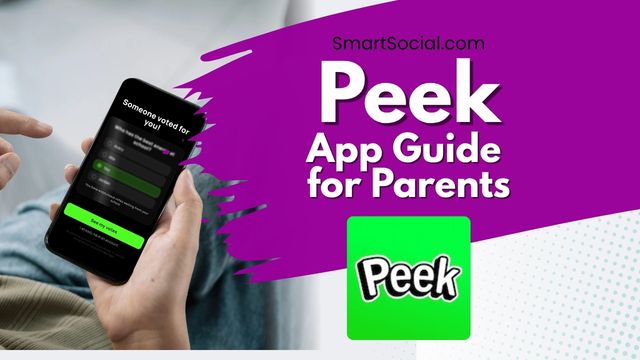
- Peek is a trending social networking app designed around anonymous polling and compliment exchange, for middle and high school kids that connects users through their school community
- Students join their school, add friends from their contacts, and answer positive polls about the people they know, things like "Who has the best sense of humor?" or "Who would you want to sit next to on a field trip?"
- When a student gets a vote, they receive a notification but can't see who picked them without paying for an upgraded membership
- Anonymous apps are often places for negativity, harassment, and bullying. Research consistently shows that when people can hide behind anonymity, behavior that would never happen face-to-face becomes common. What starts as compliments can shift to rumors, exclusion, and cruelty (Source: Psychology Today)
- FOMO is built into the design of the Peek app. Kids who use Peek start to measure their worth by who is picking them, how many picks they receive, and whether anyone voted for them at all. This is not a side effect of the app, it's the addictive feature that keeps students using it
- SmartSocial has listed this app in the Avoid zone and believe students should not use this app. The overall risks are higher than any benefits
The Top Concerns of the Peek App
Anonymity Breeds Cruelty, Even "Positive" Apps
- Peek is marketed as a compliment app, but the moment kids can say anything without accountability, the environment becomes a place for bullying. A poll asking "Who is the most awkward?" can appear just as easily as "Who is the funniest?"
- When kids practice interacting anonymously, they practice a version of themselves that doesn't have consequences
Location & School Access by Complete Strangers
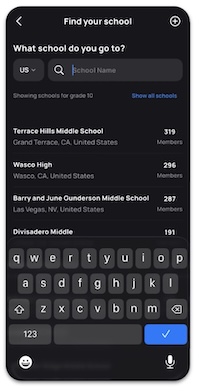
- Anyone who downloads the app can often select a specific school roster without strict identity verification
- This design allows complete strangers, adults, or users outside the school community to gain visibility into student rosters, see who attends specific schools, and interact with underage students under the guise of being a classmate
It's Engineered to Create Anxiety
- Peek and other anonymous apps in this category use psychological hooks to monetarily exploit teen insecurities
- Students receive anonymous notifications teasing that a classmate has a secret "crush" or thought about them
- But to uncover hints or reveal who voted for them, the app prompts users to pay a subscription fee
- This creates a high-friction environment driven by fear of missing out (FOMO) and social anxiety
- For a child who already worries about fitting in, this creates a cycle of checking, hoping, and obsessing
FOMO and Social Comparison
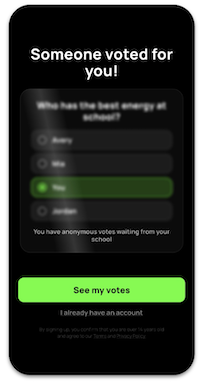
- Students using Peek start to measure themselves by their votes. How many did I get today? Did [name] pick me? Why didn't I get picked for that one?
- Students who receive fewer votes can feel ostracized or invisible, reinforcing popularity hierarchies and worsening social anxiety
Peek Prioritizes Digital Approval Over Real Connection
- Peek teaches kids to ask: "Who anonymously picked me?" when the healthier question is: "Who actually shows up for me?"
- A child's confidence, social reputation, and sense of self-worth should be built on real relationships, real conversations, and real identity, not on anonymous digital votes
How Parents Can Keep Their Kids Safe on Peek
- Discuss the illusion of anonymity with your child about how anonymous apps function. Remind them that complete strangers can easily create accounts claiming to be students from their school, making it impossible to verify who is actually behind a vote or message. Discuss other anonymous apps like Yik Yak
- Review location and privacy settings on your child’s phone to ensure location services are turned off for non-essential social apps, preventing third-party platforms from broadcasting their school or geographic location
- Create a SmartSocial Family Media Agreement together that will help set clear expectations regarding all forms of social media and technology
- Restrict In-App Purchases through parental control settings (such as Apple's Screen Time or Google's Family Link) to require parent approval before any app download or in-app purchase can occur
- Establish a zero-anonymous-apps rule as the SmartSocial recommendation is a blanket rule against anonymous apps for children under 18, given the high correlation between anonymity and cyberbullying or online exploitation
- Keep communication open and encourage teens to come to you if they encounter inappropriate content, weird messages, or online pressure, emphasizing that they won't get in trouble for seeking help
Dialogue Starters for Parents
- "If someone can say anything about you without their name attached, do you trust it?"
- "If you got 10 picks today and 0 tomorrow, how would that feel? Why?"
- "Would you say the same things to someone's face that you'd say on an anonymous app?"
Looking for More? Additional Resources for Parents
Shine Online: Positive Impact of Social Media and Screen Time
Optimizing Parental Controls: Balancing Safety & Privacy for Families
The Impact of Screen Time on Motivation, Health & Academics
Conclusion
Peek may seem harmless because it focuses on compliments and positive polls, but parents should look closely at how the app actually works. Anonymous voting, access to school communities, popularity-based feedback, and paid features that encourage kids to find out who picked them can create unnecessary social pressure and safety concerns. SmartSocial recommends that students avoid Peek and other anonymous apps. If your child has already downloaded Peek or hears classmates talking about it, use the opportunity to discuss why anonymity can change how people behave online, how digital popularity can affect confidence, and why they should always come to you when an online interaction feels uncomfortable, hurtful, or suspicious.
You're not logged in!
Log in or join to protect your family and enter for a chance to win cool prizes
成为会员或登录以了解有关此主题的更多信息

这是很好的信息,感谢你给我一些关于如何与我的孩子开始对话的想法!

沙龙 M.
家长 VIP 会员
乔希关于社交媒体的演讲令人难以置信地精彩。我们的学生学到了很多关于孩子应该做什么和不应该做什么的知识。这是一个经过深思熟虑的过程,这一切都值得。
学院咨询主任
教育工作者网络研讨会参与者
这次网络研讨会让我的学生大开眼界,让我大开眼界。
艾琳 C.
教育工作者网络研讨会参与者
You're not logged in!
Log in or join to protect your family and enter for a chance to win cool prizes

。,开始从这个页面学习,赚取星巴克礼品卡的积分!**
你好,我是 SmartSocial.com 的创始人乔什。
在你填写我们的反馈表之前,不要离开这个页面,该反馈表将在你从资源中学习后出现...